
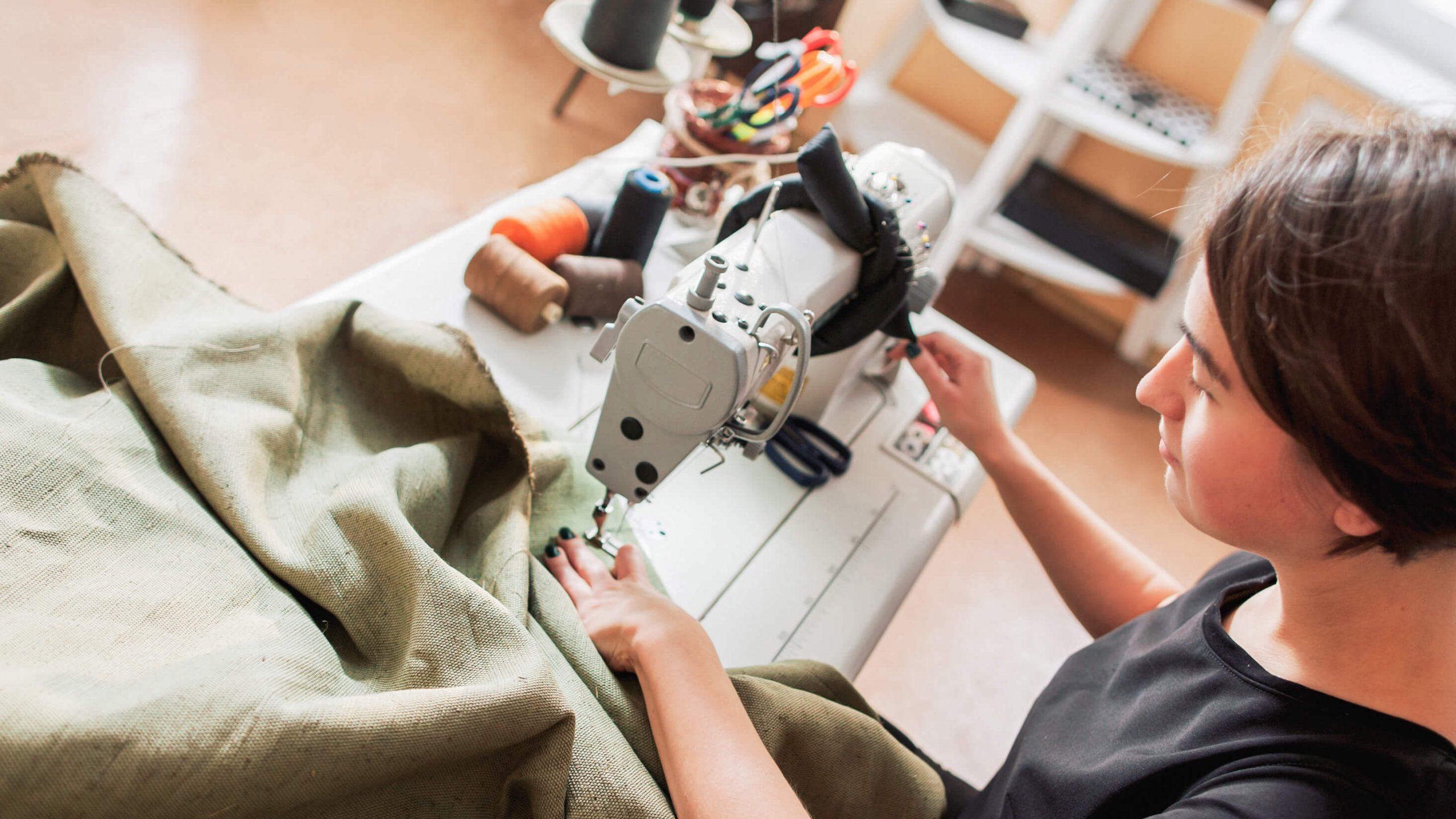
Almost in every home in Oxford, you’ll find a piece of furniture that tells a story. A sofa isn’t just somewhere to sit. It’s where families gather, where conversations happen.
And yet, as time passes, that same bespoke sofa begins to show its years. The fabric fades. The cushions sag. The springs start squeaking. And you’d be left with a choice that feels impossible: to either let it go or find a way to bring it back.
The question isn’t whether your sofa is worn out. The question is why you’re not ready to let it go.
Because when something still has life in it, when the frame is solid, the comfort is there, and the memories are woven into every seam, replacement as an answer wouldn’t come naturally to you. Hence restoration is.
At Westcote Designs, we help people reconnect with the furniture that matters to them. The best pieces aren’t the newest ones; they’re the ones built to last, the ones worth saving, the ones that remind us what quality really means.
Here are five clear signs that your bespoke sofa is ready for transformation, and why each one matters more than you might think.
1. Visible Wear and Tear
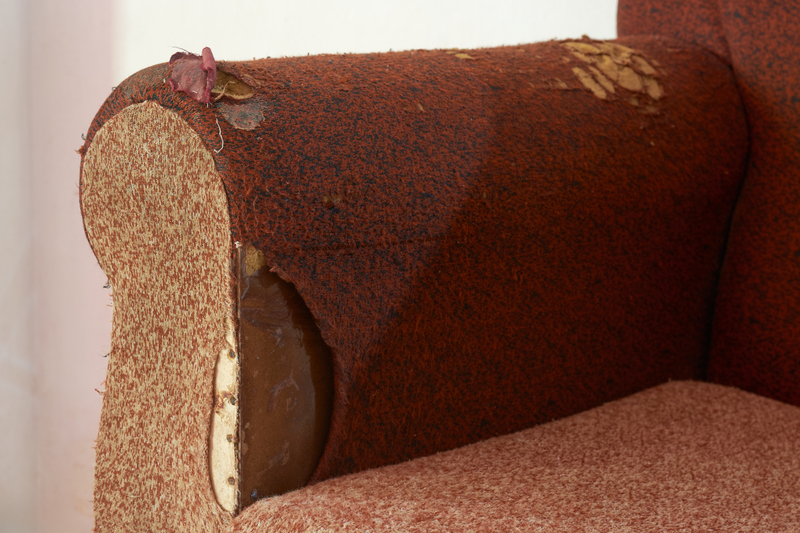
Frayed seams. Threadbare arms. Faded cushions. Cracked leather. These are the evidence of use, of life lived. But there’s a difference between character and deterioration.
Oxford homes, with their generous bay windows and light stone façades, often accelerate fabric ageing. Sunlight streaming through south-facing rooms slowly bleaches upholstery. Heating cycles dry out natural fibres.
However, professional sofa reupholstery can replace tired fabric while preserving the structure you’ve relied on for years. A well-chosen new fabric extends lifespan, often by a decade or more.
2. Sagging or Unsupportive Cushions
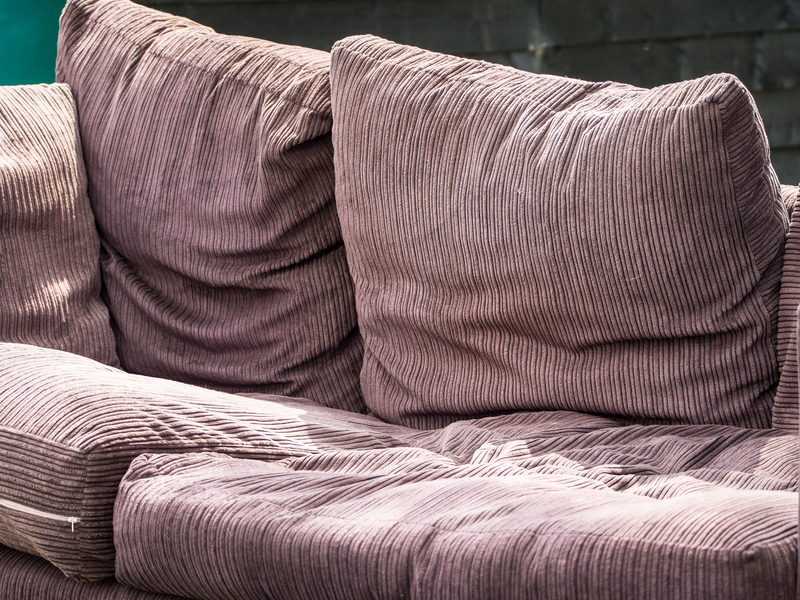
When a sofa stops supporting you, when seats dip unevenly, or you sink too deeply, it has failed its most basic function. Sagging sofa cushions signal degraded foam, broken webbing, or tired springs. These issues compound over time.
If you sink more than two or three centimetres deeper than when the sofa was new, the internal support has failed. This strains your back and makes the entire piece feel older than it is.
Oxford’s variable climate accelerates this decline too.
Humidity and temperature shifts cause natural fillings like horsehair or cotton to clump or compact. But through Oxford reupholsterers, you can replace worn fillings with modern resilient foams or feather-mix options that maintain their shape while preserving that luxurious feel.
3. Structural Damage
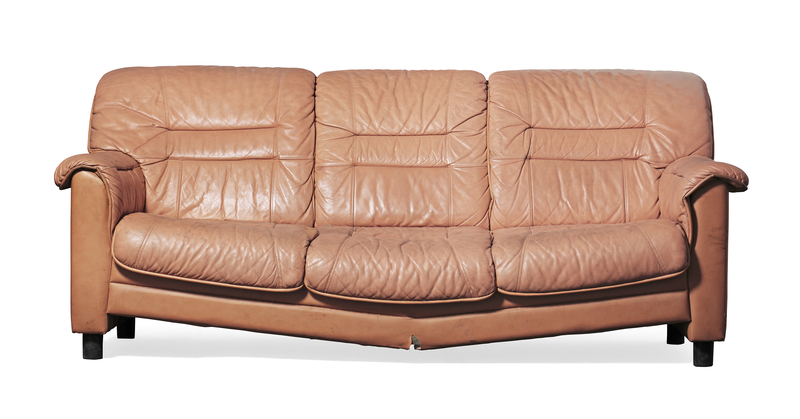
The most elegant sofa is only as reliable as its frame. If yours creaks, wobbles, or feels unsteady when you sit, the internal structure has started to fail. Squeaky springs, uneven armrests, and loose joints signal real mechanical issues that worsen when ignored.
Structural problems can make seating unsafe, particularly in older pieces built with solid hardwood frames.
But many of these frames can be saved. Specialists in sofa frame repair use traditional joinery methods combined with modern materials to restore original strength.
In Oxford’s period homes, older furniture was built to last. If the frame remains largely intact, it’s almost always worth saving. Restoring rather than replacing protects the craftsmanship and reduces waste.
4. Stubborn Stains or Lingering Odours
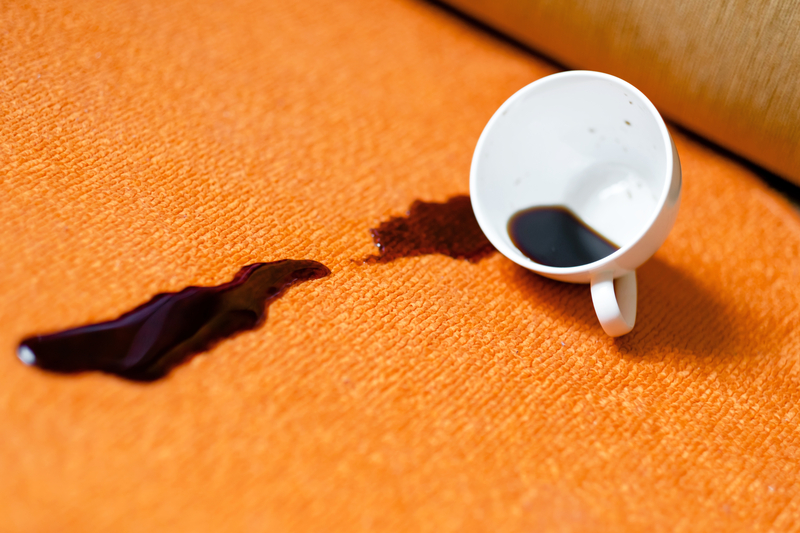
Surface stains can often be cleaned, but some odours and discolourations penetrate deeper. Pet accidents, smoke, mildew, and drink spills soak into foam and padding. Once that happens, even professional cleaning can’t reach the source.
Sofa reupholstery replaces both outer fabric and internal foam, an inside-out refresh that restores hygiene as well as comfort.
Oxford’s damp winters compound the problem. Moisture lingers in older upholstery, leading to musty smells or mildew stains. If guests avoid your sofa, that’s your signal.
5. You Love It, But the Style No Longer Fits Your Life

Sometimes the signal for change isn’t damage, it’s evolution. The sofa you loved a few years ago now clashes with your refreshed décor. Or you’ve moved from a cosy cottage to a modern Oxford apartment, and traditional floral print feels wrong.
Reupholstery offers a sustainable way to modernise old furniture, preserving craftsmanship while aligning it with current aesthetics. Oxford homeowners are updating beloved pieces with contemporary materials, soft velvet, herringbone tweed, and bold botanical prints that complement today’s interiors.
Reupholstery is also environmentally conscious, reducing landfill waste and extending the lifespan of furniture already built to last. For many, it’s the ideal balance of sustainable luxury and personal expression.
Reupholster or Replace?
The most common question Oxford homeowners ask isn’t about cost, it’s about whether reupholstery is truly worth it. The answer depends on two factors: quality and meaning.
If your sofa has a solid hardwood frame and holds sentimental or aesthetic value, reupholstery is nearly always the better investment.
Skilled upholsterers can rebuild padding, refresh fabrics, and restore comfort for far less than a new premium piece costs. But if the frame is cracked, warped, or built from softwood or particleboard, replacement may be more practical.
In Oxford, reupholstery typically costs 40 – 70% of buying a similar-quality new sofa. But the benefits extend beyond price. You reduce waste. You support local craftsmanship. You have complete control over fabric, finish, and feel, something mass-market furniture rarely offers.
Give Your Sofa a Fresh Start
Reupholstering your sofa isn’t about patching old fabric. It’s about honouring what matters while making room for what’s next. If you’re addressing visible wear, sagging cushions, structural issues, stubborn odours, or simply a style that no longer serves you, these signs point to one thing: it’s time for intentional action.
The benefits reach beyond aesthetics. Reupholstery saves money, extends the life of quality furniture, and supports a more sustainable lifestyle, keeping perfectly good frames out of landfills while restoring comfort and character.
At Westcote Designs Oxford, we specialise in transforming tired sofas into timeless pieces. Whether it’s a family heirloom, a designer investment, or simply your favourite spot for a Sunday nap, our craftspeople bring precision and premium fabrics to every project.
From classic three-seaters and armchairs to corner units and ottomans, we handle every detail at Westcode Designs, from frame repairs, spring replacement, foam refills, and fabric restyling.
With hundreds of fabric options available, you can refresh your sofa to match your home’s evolution, whether that’s contemporary Oxford minimalism or traditional Cotswold charm.
Call us today at 01608 659 091 or contact us online to arrange a no-obligation consultation and fabric sampling session.
Frequently Asked Questions
1. Is it worth reupholstering a sofa?
If your sofa has a solid hardwood frame and holds value, sentimental, aesthetic, or functional, reupholstery is almost always worthwhile. It costs 40 – 70% less than buying equivalent quality new, reduces waste, and gives you complete design control.
2. How much does sofa reupholstery cost in Oxford?
Costs vary based on sofa size, fabric choice, and structural repairs needed. Generally, expect to invest significantly less than purchasing a new quality piece, while getting superior craftsmanship and customisation.
3. How long does reupholstered furniture last?
With quality materials and proper care, a professionally reupholstered sofa can last another 10 – 20 years or more, especially if the frame was well-constructed originally.
4. Can any sofa be reupholstered?
Most sofas with solid frames can be reupholstered. However, pieces with damaged or low-quality frames (particleboard, warped wood) may be more cost-effective to replace.
5. What’s the difference between reupholstery and slipcovers?
Slipcovers are removable fabric covers that fit over existing upholstery, a temporary solution. Reupholstery replaces the fabric and often the internal padding, offering a permanent, custom restoration.